Ankara rejects EU report as ‘biased and unfair’
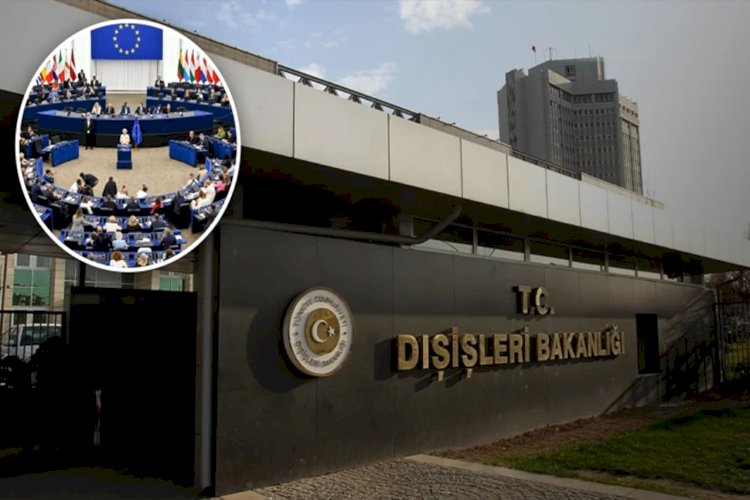
The report, published on November 4, reaffirmed the EU’s support for a comprehensive settlement based on a bizonal, bicommunal federation with political equality under UN auspices.
It said Turkey’s advocacy of two states conflicted with UN Security Council resolutions and called on Ankara to demonstrate a clear commitment to restarting settlement negotiations.
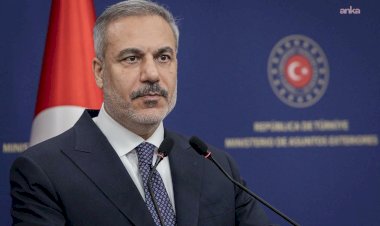
Turkey’s Foreign Ministry rejected the findings, accusing the EU of unconditionally supporting Greek Cypriot positions while overlooking the legitimate rights and interests of Turkey and Turkish Cypriots.
The ministry said such an approach could not contribute to a settlement and accused the bloc of applying double standards.
The Commission’s report also questioned Turkey’s efforts to strengthen the TRNC’s international standing through bodies such as the Organisation of Turkic States and the Organisation of Islamic Co-operation.
Energy projects between Turkey and the TRNC came under scrutiny. The Commission criticised a July 2026 agreement for an undersea natural gas pipeline, saying it had been signed without the consent of the internationally recognised Republic of Cyprus government. It also noted continuing plans for an electricity connection between Turkey and the North.
The report accused Turkey of obstructing survey work for the Great Sea Interconnector electricity project.
On military matters, the Commission highlighted the development of the drone base at Geçitkale and naval facilities at Boğaz, alongside Turkish military exercises and flights around Cyprus.
It also referred to the temporary deployment of Turkish F-16 fighters and air defence systems during the Iran war. The report noted that the F-16 deployment followed Greece’s dispatch of fighter jets to Paphos, amid wider military deployments after a drone attack on the British bases.
On Maraş, the Commission repeated its call for the reversal of steps taken since October 2020 to reopen parts of the fenced-off area, saying they conflicted with UN Security Council resolutions. It also criticised continuing restrictions on UN peacekeepers’ access.
The report said Turkey continued to restrict access to its ports for Greek Cypriot-flagged and Cyprus-linked vessels and had not fully implemented its trade obligations under the Additional Protocol to its EU Association Agreement.
It also raised concerns about insufficient communication between Turkish and Greek Cypriot air traffic control centres and criticised visa restrictions affecting Greek Cypriots.
The Commission stressed that progress towards restarting Cyprus negotiations could open up further opportunities for EU-Turkey co-operation.
The report will be examined by EU Council working groups, with conclusions expected from the General Affairs Council in December.